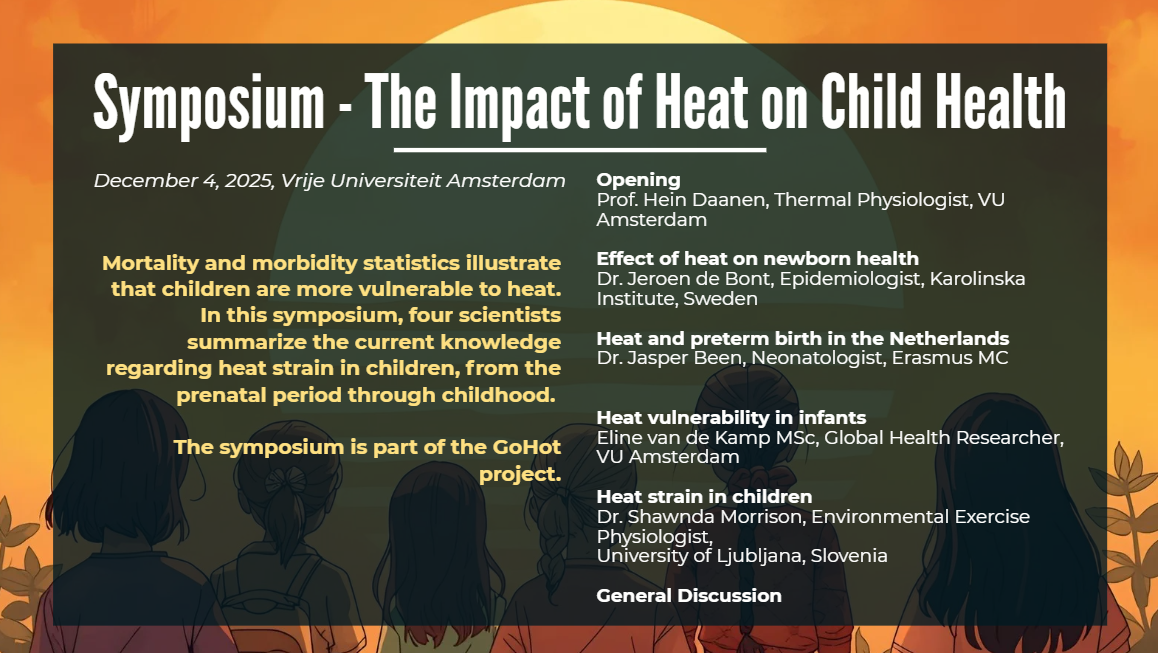
Children are vulnerable in the heat, as figures on mortality and illness worldwide show. To bring together current knowledge on heat stress in children, we organized a symposium at Vrije Universiteit Amsterdam on December 4 as part of the GoHot project. During this symposium, four scientists presented their research on the effects of heat during early life, from the prenatal phase through childhood.
Symposium - Impact of Heat on Child Health
December 2025
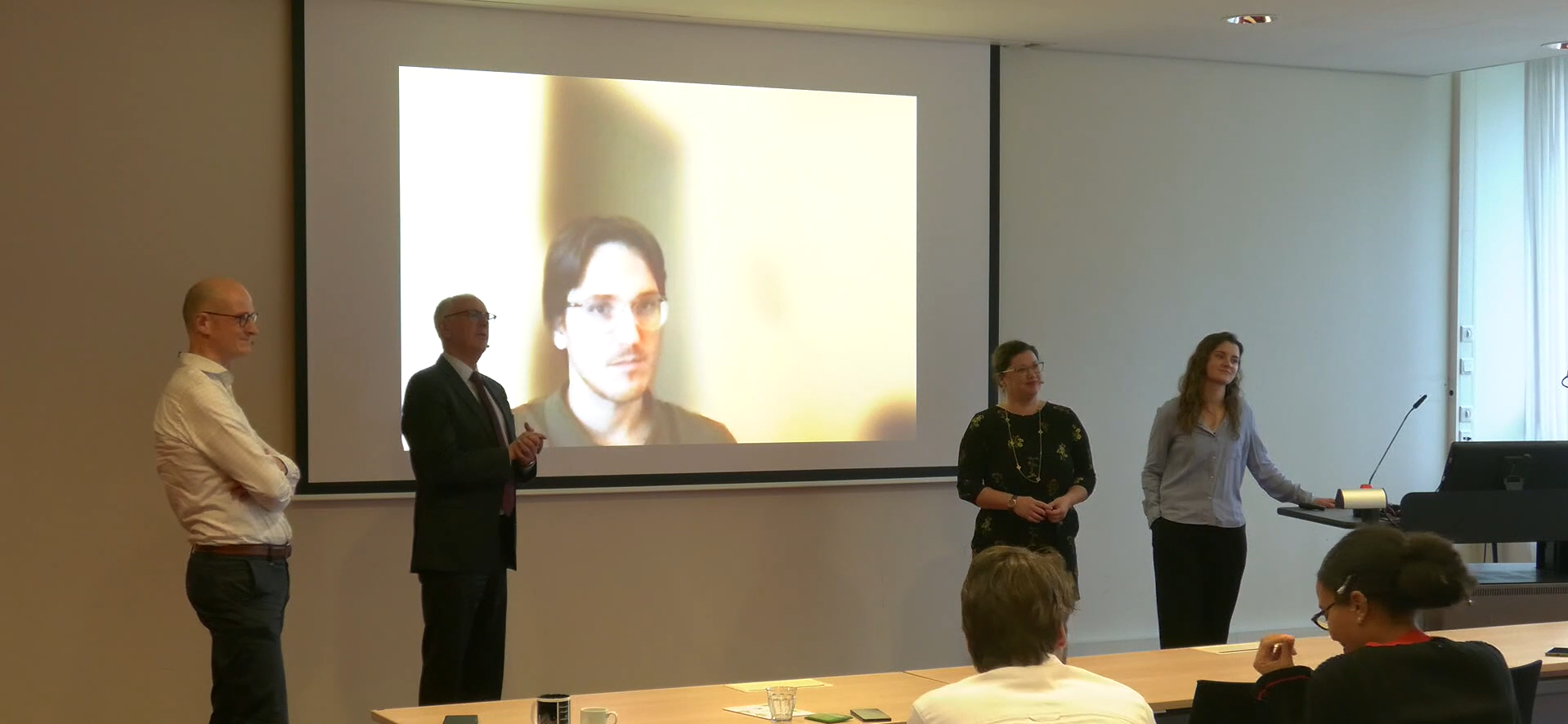
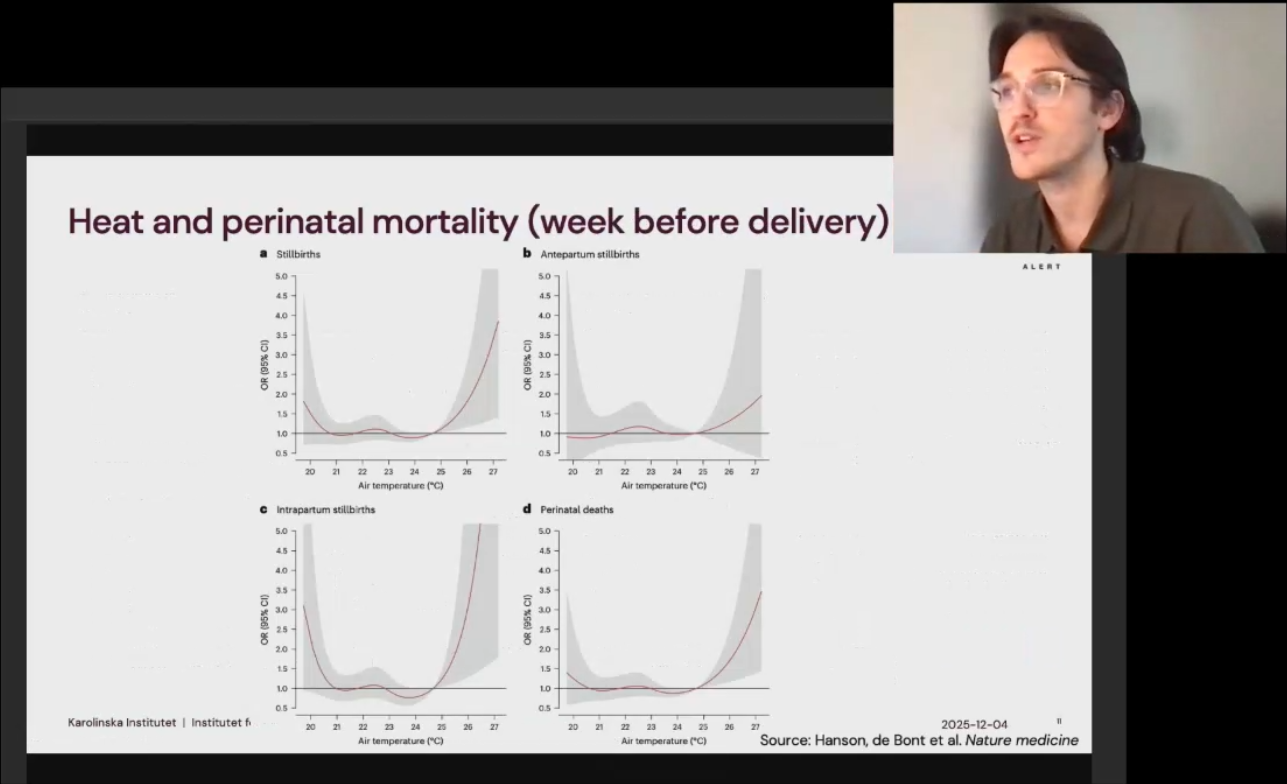
Dr. Jeroen de Bont, assistant professor at the Karolinska Institute, opened the symposium with an online presentation from Sweden. His presentation focused on the effects of heat exposure during pregnancy and birth on the health of newborns. He discussed results from two large-scale research projects: ALERT, which investigates the relationship between heat and perinatal mortality in Africa, and HIGH Horizons, which focuses on both short- and long-term effects of heat on various birth outcomes worldwide.
He showed that exposure to high temperatures is associated with adverse birth outcomes. The last trimester of pregnancy, and the last week before birth, appear to be particularly vulnerable periods.
For results of the ALERT project, see the publication: A time-stratified, case–crossover study of heat exposure and perinatal mortality from 16 hospitals in sub-Saharan Africa | Nature Medicine
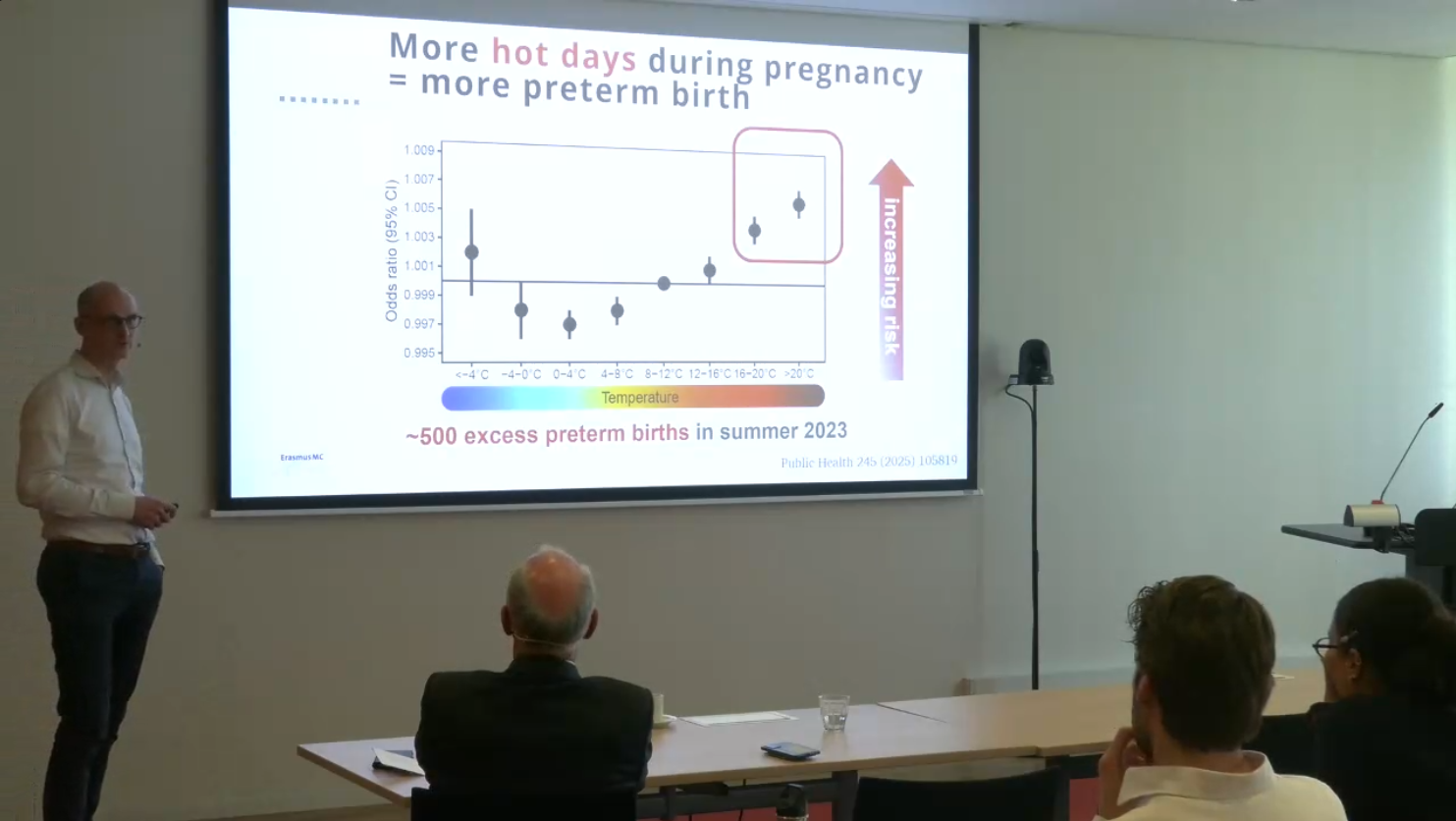
Dr. Jasper Been, pediatrician-neonatologist at Erasmus MC and associate professor of Perinatal Public Health, focused his presentation on the relationship between heat and premature birth in the Netherlands. Using national data, he showed that premature birth is more common in areas with lower socioeconomic status.
He also demonstrated that an increase in the number of hot days during pregnancy is associated with a higher risk of premature birth. During the hot summer of 2023, an estimated 500 additional premature births were observed. The greatest risks occurred in families with the lowest household income, as described in Health disparities in the impact of prenatal temperature exposure on birth outcomes: A nationwide population-based study in the Netherlands - ScienceDirect.
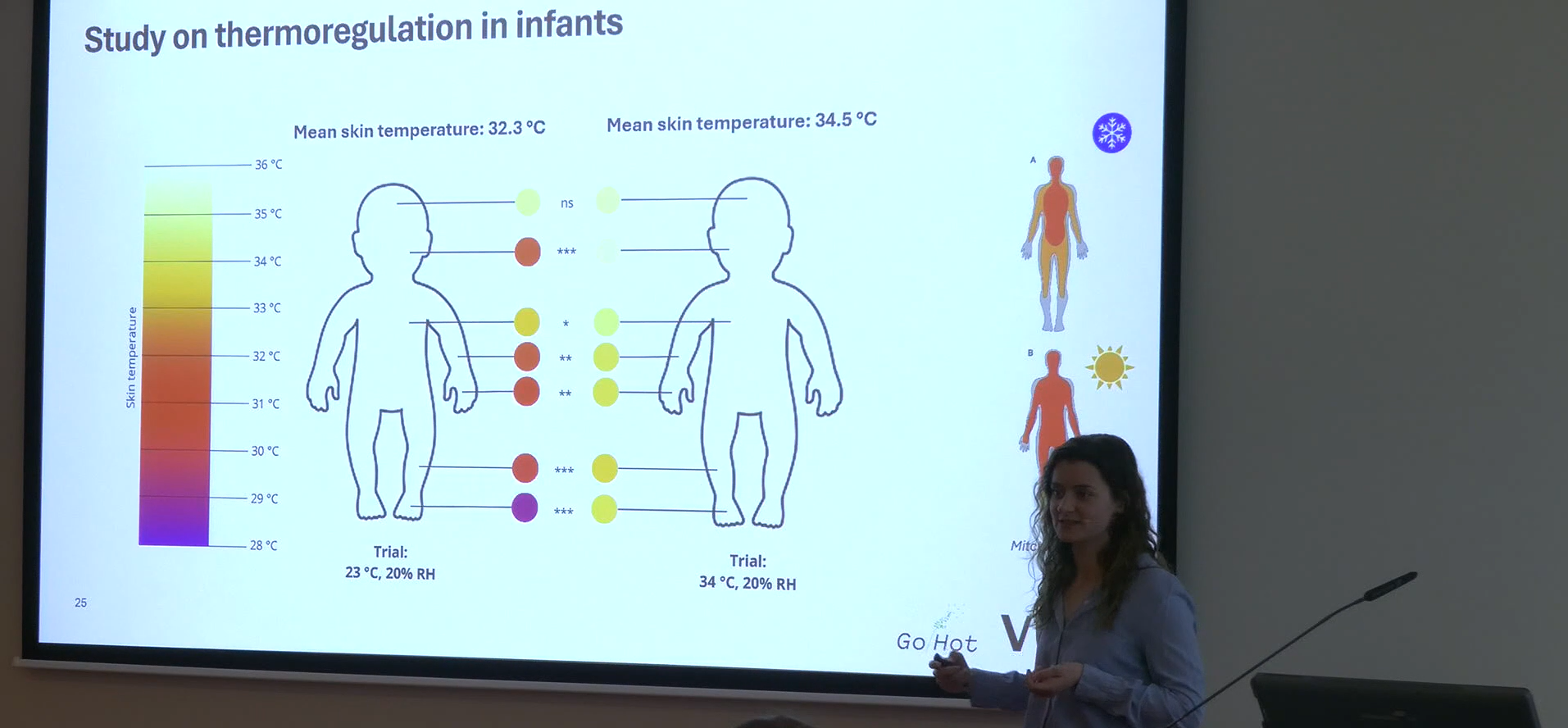
Eline van de Kamp, researcher in infant thermophysiology at VU Amsterdam and GoHot project member, focused her presentation on the period after birth, with specific attention to babies. She showed that babies are particularly vulnerable during heat, partly because they are heavily dependent on adults to find ways to cool down, adjust their clothing, and stay sufficiently hydrated.
At the same time, little research has been done on thermoregulation in babies. This group differs from adults in several ways: they have a larger body surface area in relation to their mass and a relatively high metabolic heat production, which affects their thermal balance. The initial results of the GoHot study show that babies can maintain a good thermal balance at 34°C and 20% relative humidity. They do this mainly through increased sweat production and evaporation.
More information about thermoregulation in babies can be found in the publication Narrative Review on Infants’ Thermoregulatory Response to Heat.
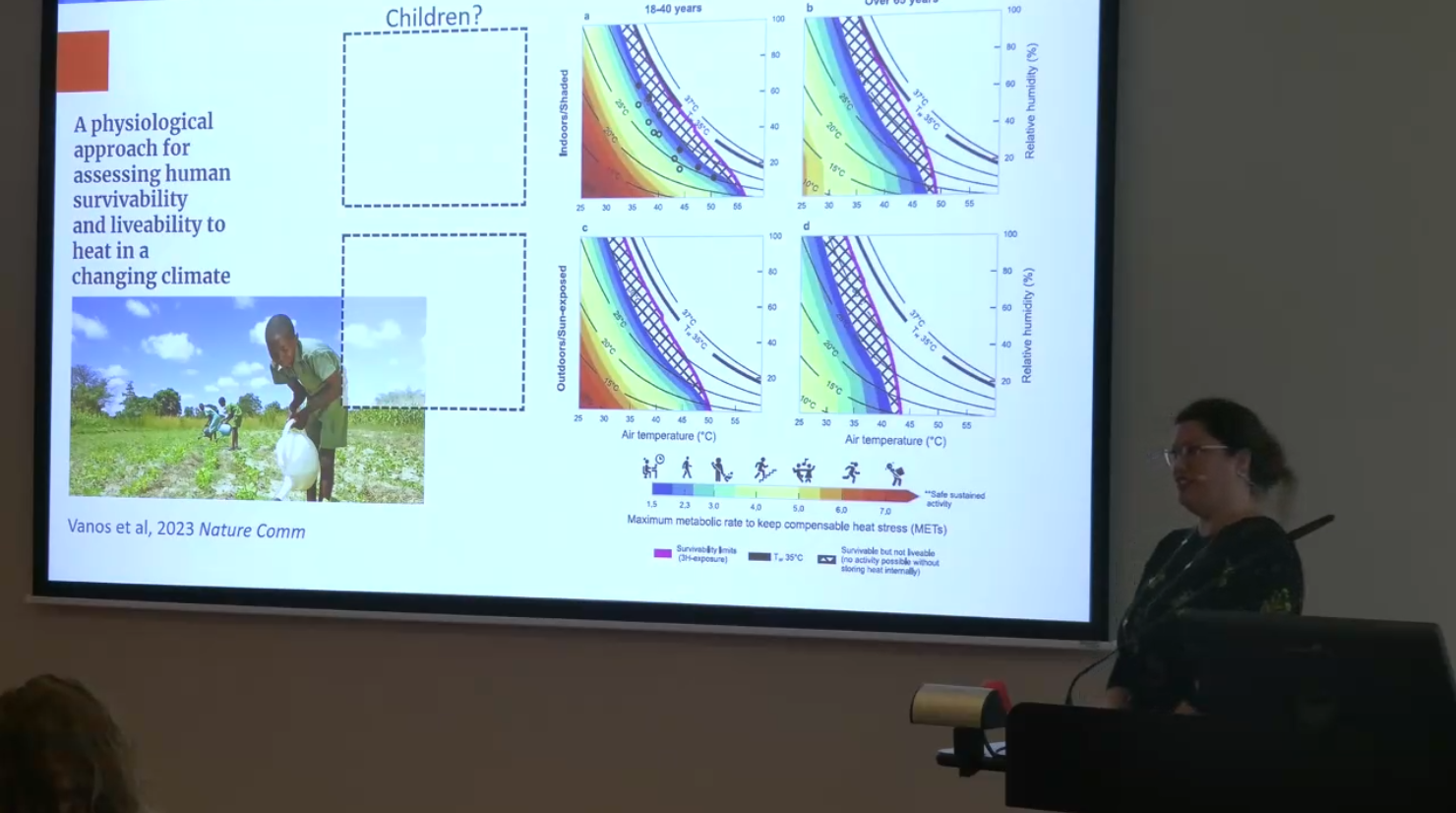
Finally, Dr. Shawnda Morrison, assistant professor at the University of Ljubljana and external advisor to the GoHot project, spoke. In her presentation, she emphasized that higher ambient temperatures are associated with lower levels of physical activity. This is concerning, as more than 80% of children and young people between the ages of 6 and 17 worldwide do not meet the World Health Organization (WHO) physical activity guidelines. Because children are classified by the WHO as a vulnerable group but are often insufficiently included in public health policy, she called for more explicit attention to be paid to this group.
An important theme in her contribution was strengthening health resilience at a young age. By supporting children in safe and active exercise, even at higher temperatures, both their current health and their long-term resilience to climate change can be improved.
Were you unable to attend? The recording of the symposium, including all four presentations, can be viewed here: Impact of Heat on Child Health - symposium - YouTube